TransPerfect for Rate x Chicago White Sox
Don't ask me
what year.
Director's treatment, Concept 1A
Phase one, 2026. The archival rush.
The film in one paragraph
A man on the corner
asks you a question
A narrator who sounds like he is standing on the corner of 35th and Shields turns to camera and asks if you like the Sox. Then he spends twenty five seconds proving you have no idea what that means. The whole film is built from footage that already exists, cut to Chicago house, and it moves the way a bar moves when the place goes up. It starts inside a house on the South Side. It ends on the name of a house on 35th Street. Nothing in it depends on a shoot.
The arc, stated plainly. We meet people where they are, braced for another year of disappointment, and then we flip it. The first movement draws a line around a tribe. The second proves the tribe earned it. The third takes it back. The film gets louder in every movement and it never once looks backward for comfort.
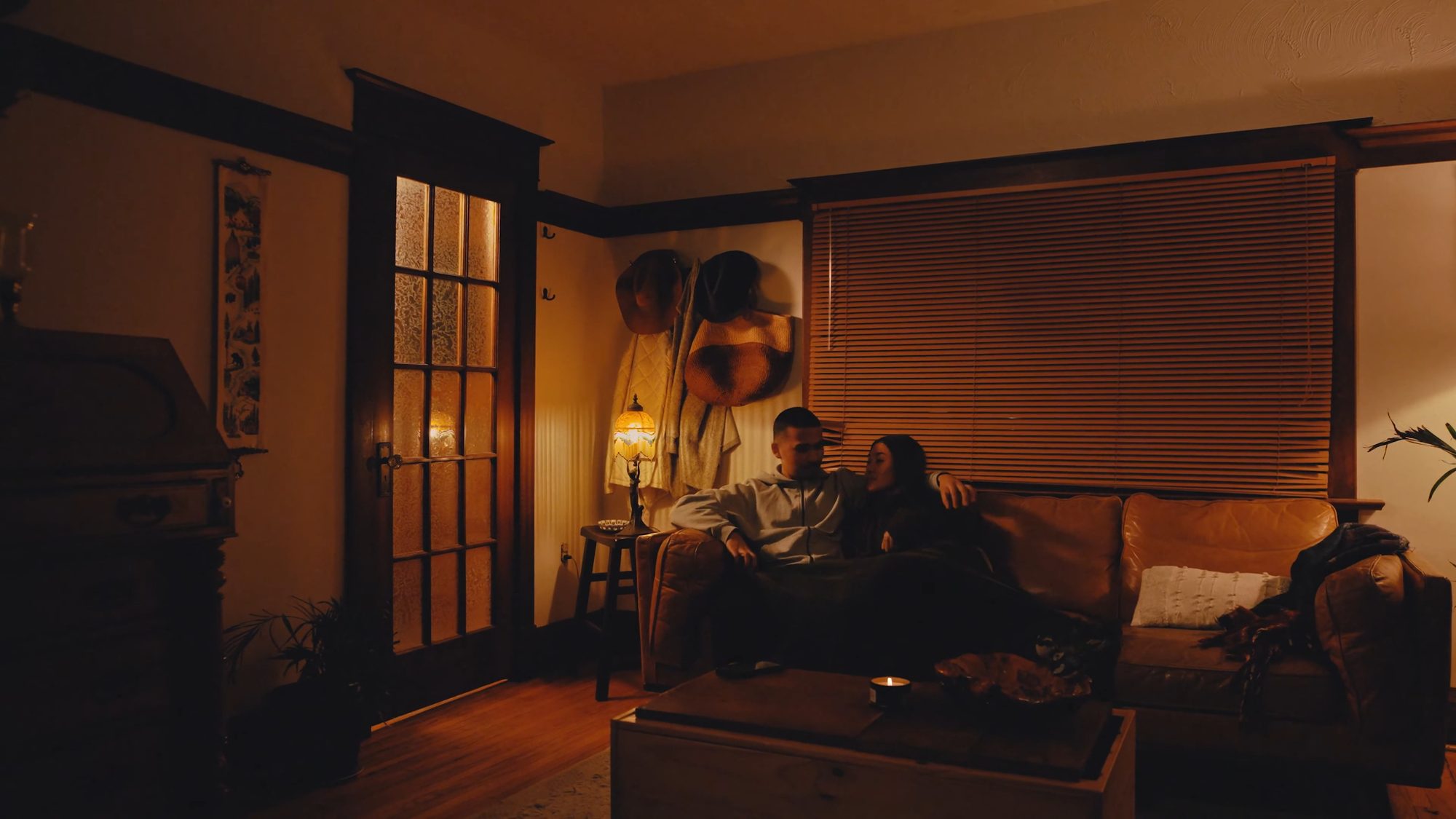
The front room. Opens the film and closes it.
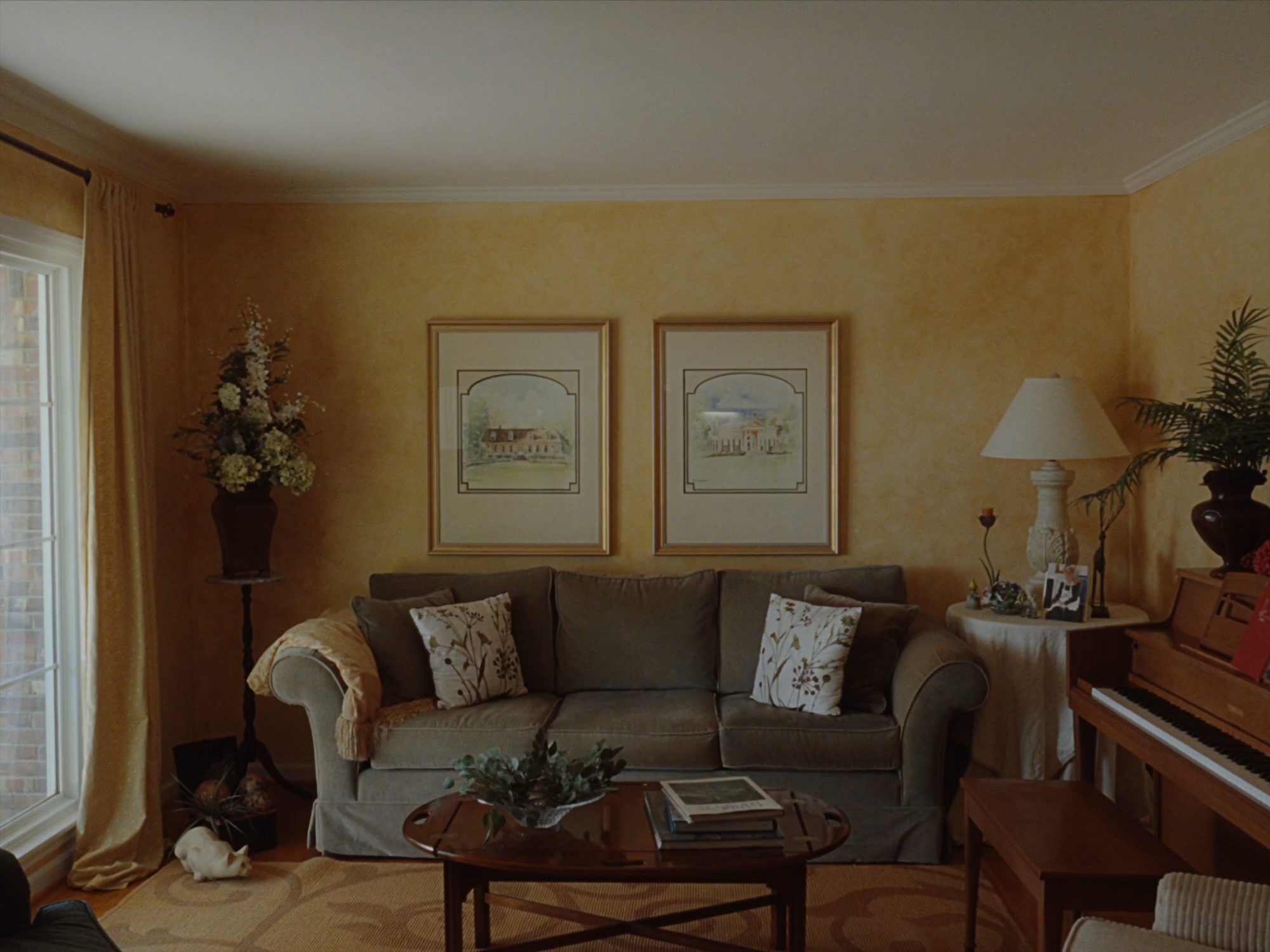
Don't ask me what year.
The film
Movement one:
the threshold
Black. A screen door bangs shut somewhere off frame.
Room tone. A screen door. Nothing else.
A South Side front room, mid 2000s, late afternoon. Plastic on the good chair. A TV nobody is watching yet. Rate paperwork on the side table under the lamp, period correct to the early Rate years, sitting where mail sits. Meter for the faces, let the window blow out.
"So you like the Sox?"
Hard cut to archival: 1959, the streets at night, people coming out of their doors. The city has set off the air raid sirens and half the South Side is outside.
"Then you know about the sirens."
First bar of the track drops under. Sirens, real.
The exploding scoreboard. Pinwheels, fireworks, across eras, cut as one object aging in place.
"...and the scoreboard."
The scoreboard. The track fills in underneath it.
The lots at 35th. Grills going, flags off truck beds, elote and paleta carts working the rows. Cut on the 2.
Crowd, grills, a radio in a truck bed.
Crowd, packed house, era unclear on purpose.
"This is the South Side."
The track is fully in.
The film
Movement two:
the creed
Super 8. Hold on one frame of a full grandstand. Nothing moves but the grain. The format change is the tense change.
"Don't ask me what year. It's all the same year down here."
Music thins to the percussion, then holds on one chord.
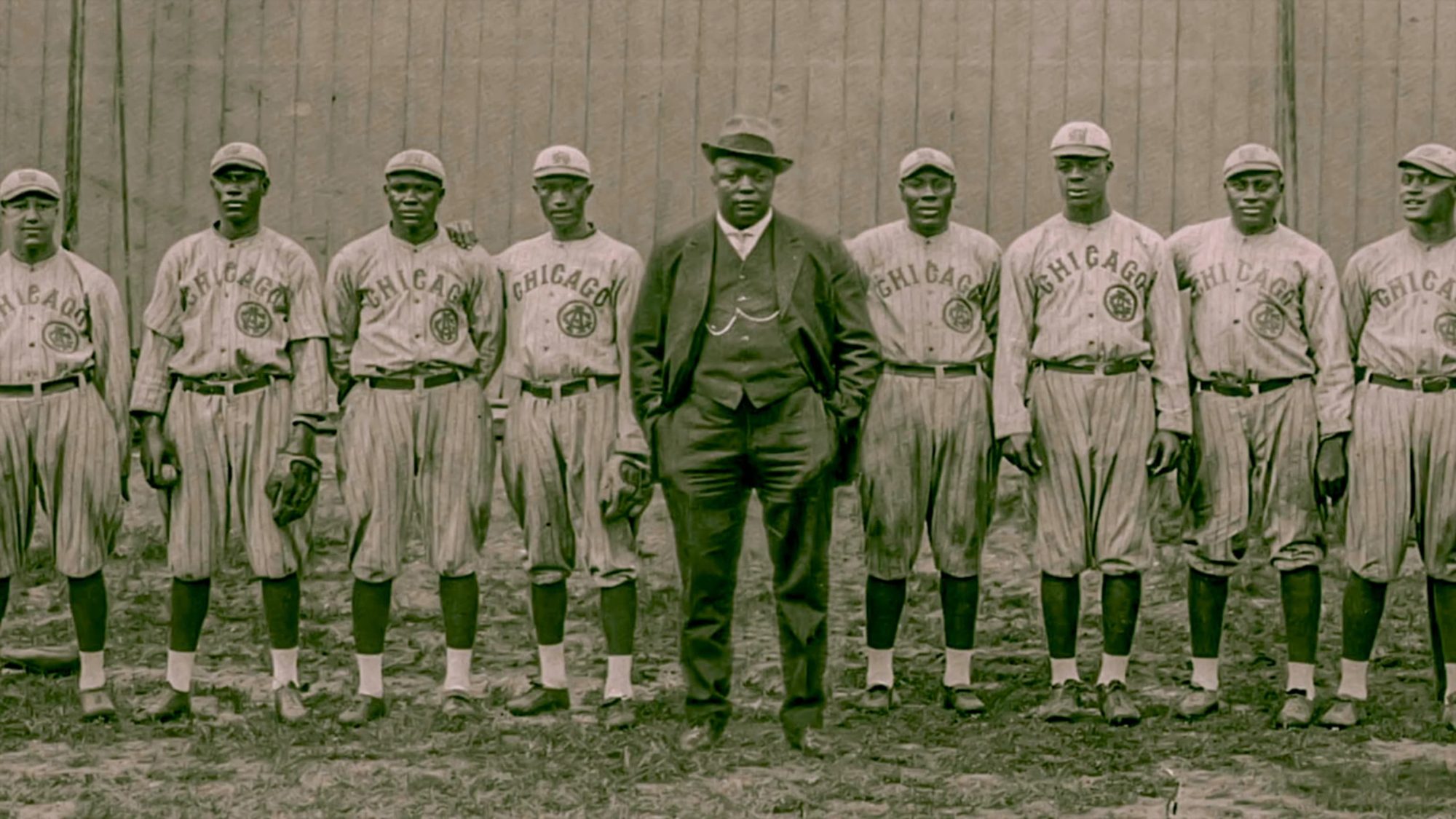
Stills, hard cut, three in a row: the 1933 East-West All-Star Game at Comiskey. The crowd, the grandstand, the people who got there first.
The track re-enters underneath, full.
Nancy Faust at the organ.
The organ, alone, one phrase.
Wide: thirty thousand people singing a pitcher off the mound. Crowd only, no field.
The crowd finishes the phrase. It is enormous.
Cut on the beat, four shots: a barbershop mid argument. A bar with the game on. A front room. A stoop.
Rooms. The track underneath, accumulating.
A full house on a nothing afternoon in a thin year. Empty seats around a family who came anyway.
"We know how to win ugly."
The same faces, later, standing, not celebrating, just still there.
"We don't leave early."
The Blackout Game, 2008. The whole park in black, on its feet, out of its mind.
Crowd, full volume. The movement tops out here.
The film
Movement three:
the reclamation
Present tense, main camera. A hat coming off a hook.
The track hits full. Everything opens up.
Bars, barbershops and front rooms, all going up in the same second. Cut on the half beat, four shots, no shot longer than a quarter second.
"Oh, now everybody's watching."
Crowd, bar noise, a chair going over.
Obama in the jacket. The Pope in the miter. Ice Cube in the fitted. Three stills, three frames each.
"Everybody's got a hat now."
The same cap on the block, no ceremony. A stoop. A bus stop. A rearview mirror. Three shots, fast.
"You just found out it was cool."
The track pushes up a gear.
The Bud Billiken Parade. King Drive through Bronzeville, drum line, the street full.
"Come see where it's from."
Drums, live, punching through the track.
2005. The trophy out of 35th Street, through Bridgeport, Bronzeville, Chinatown and Pilsen. Crowd side only. It is on the block before it is ever downtown.
Crowd roar, continuous across four neighborhoods.
Everything drops out. One shot: the Red Line at Sox-35th, packed, nobody talking, everybody in black and silver. One full bar.
Music gone. Just the train. One person laughs.
A young family putting a house together, present day. Boxes, a ladder, a TV going up on the wall. The phone is face up on the counter with the Rate app open on it, screen lit and legible, the arrow reading clean at this size. Land a beat on it. In the room, not framed.
The track comes back in underneath, quiet, building.
A kid pulling a folding chair up to the TV.
"Good. Pull up."
Match cut: a stadium seat coming down.
The track detonates. Crowd.
The name on the stadium. The arrow. Held.
"Don't ask me what year. It's our year."
Slow dissolve off the arrow on the stadium into the end card. The partner lockup, the Sox mark beside the Rate arrow, held on black, and out.
The track carries through the dissolve and lands on the end card. It does not cut dead.
Visual tone
The tone,
in the film's order
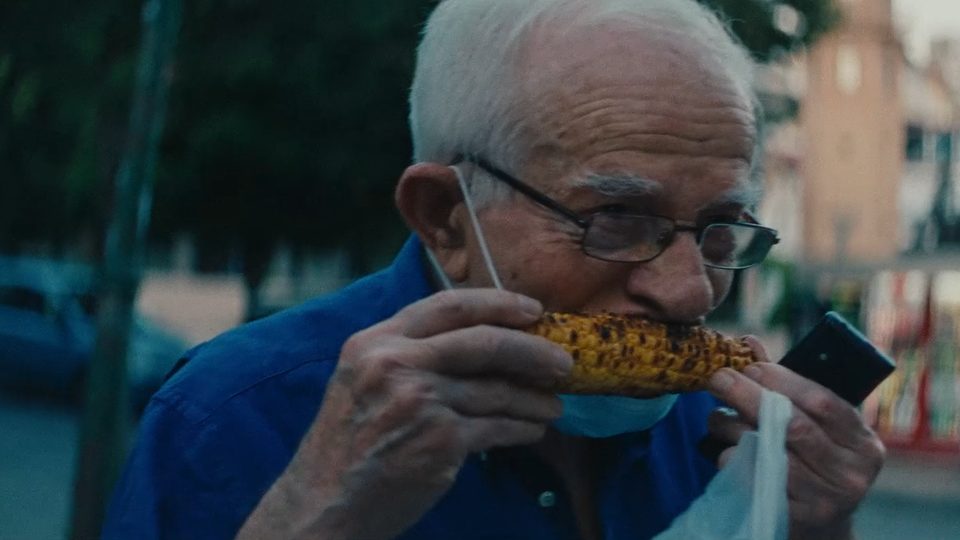
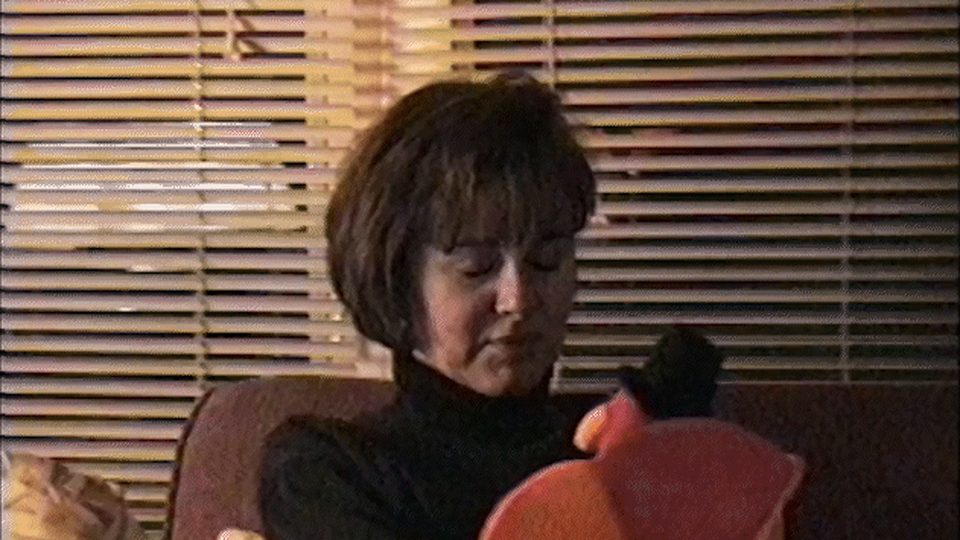
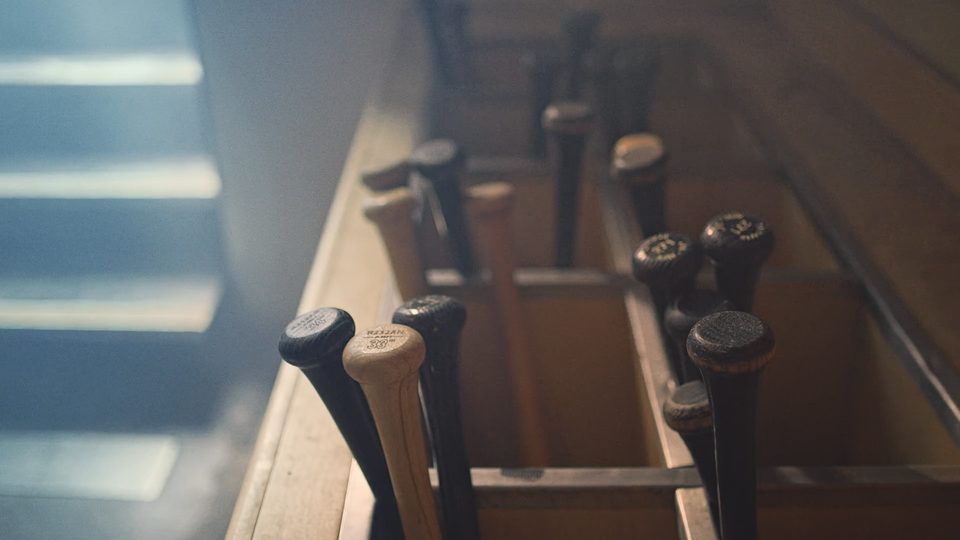
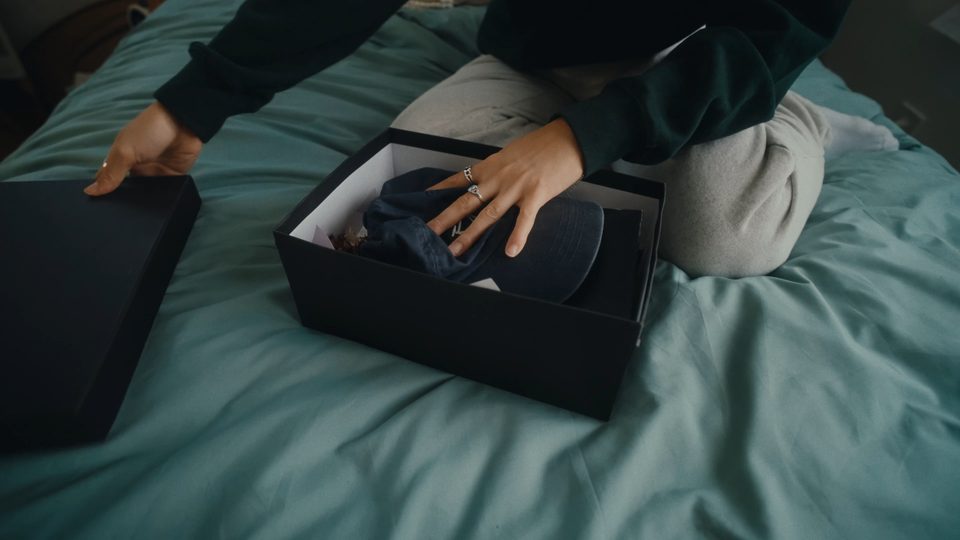
Reference frames from other directors. None of it is our footage and none of it appears in the film.
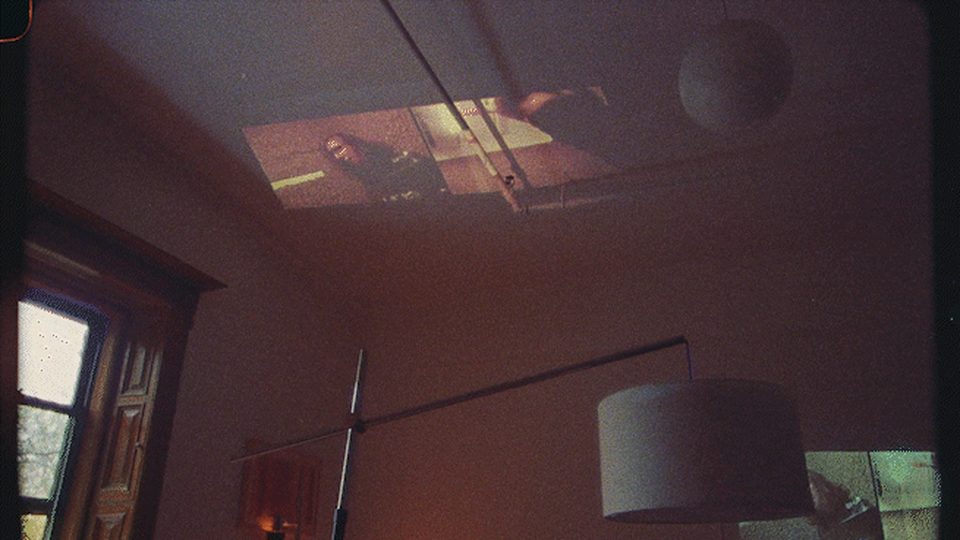
Lewis Del Mar, The Ceiling
Ben Proudfoot, If You Have
Anthony Saxe, Dissolution
Central Bank, Cardinals Checking
Nicole Han, IDFATA
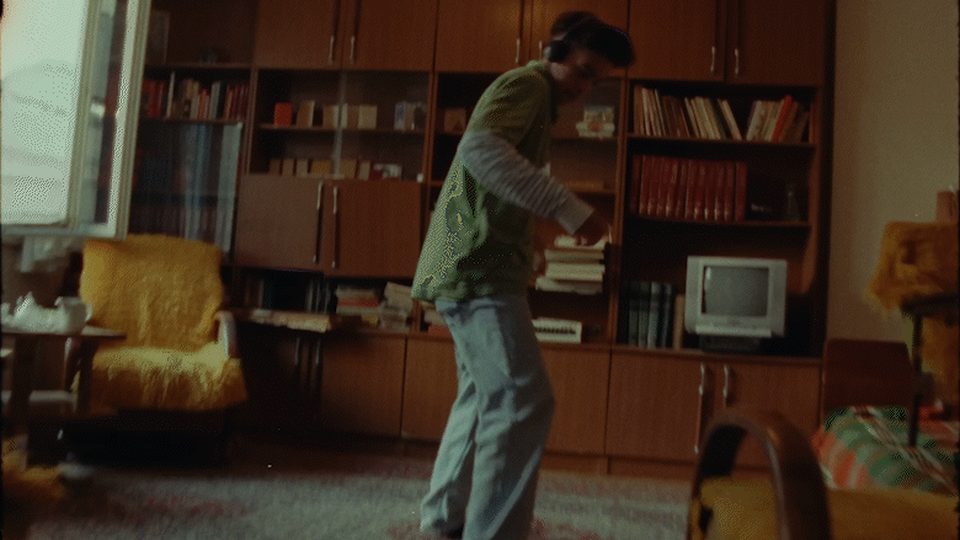
Miro, Tam
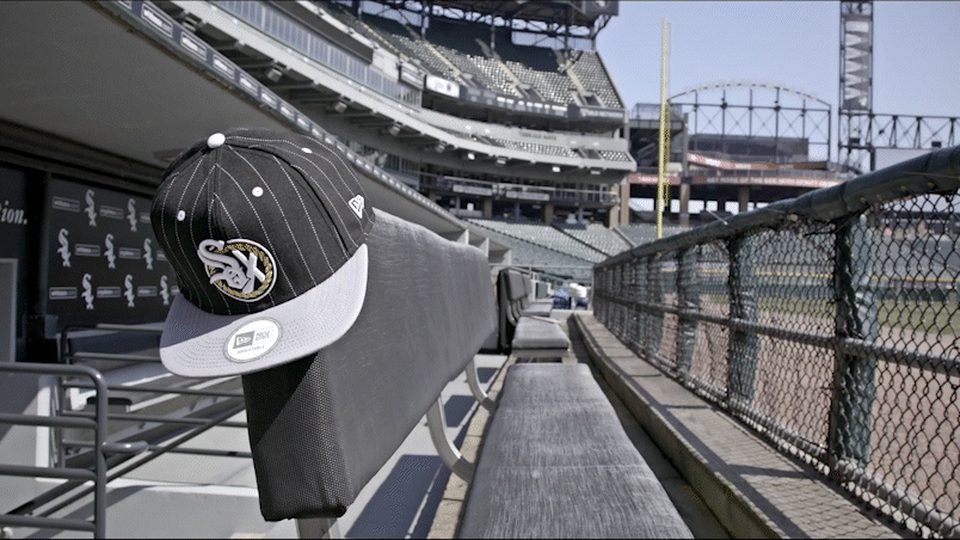
New Era x Chance the Rapper x Chicago White Sox

New Era x Chance the Rapper x Chicago White Sox
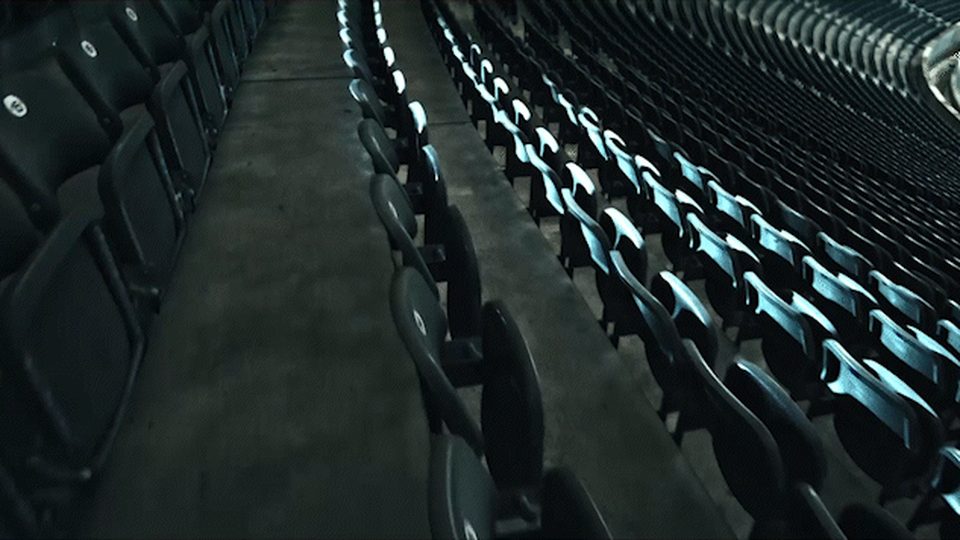
Deutsche Bahn, Vorfreude
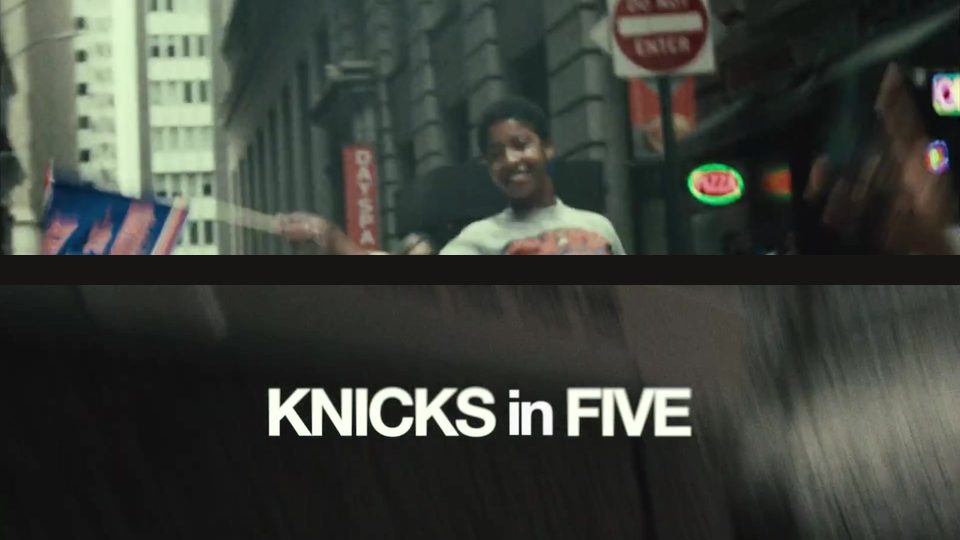
Knicks in Five, Glimpses

Why the closer is locked
The line belongs
to him, not to us
The closer is the film's own line coming back. The narrator uses "Don't ask me what year" in the second movement to refuse the question. He uses it again over the arrow to answer it. Four identical words doing opposite jobs, and the answer only lands because the refusal was earned twenty five seconds earlier.
"It's our year" is the narrator talking about his neighborhood. The picture underneath it, the name on the stadium, lets the brand stand inside that "our" without ever claiming it. Put the line in Rate's mouth instead and it collapses twice: into a slogan, and into a claim about a season that the brand has no standing to make. Leave it with the South Sider and the brand is being included in something older than it is. That is the correct relationship, and it is the one the film has spent thirty seconds earning.
One note for whoever proofs this. "It's our year" is not "This is our year." The second one is a prediction about a season, which dates the film and breaks the year rule the narrator states one sentence earlier. Ours is possession, not forecast. No exclamation point, and no year attached. These are the last three words of the film, and if they get tidied on the way to air the closer goes with them.
4. The three tracks
Percolator gives you a rush.
Brighter Days resolves it.
The client's first choice and the most Chicago record on the list. Curtis Alan Jones, a Chicago artist, on his own Chicago label, at 126 BPM. Chant driven and effectively instrumental, which is a real practical advantage: no lyric competing with a narrator for the same three seconds. This is the rush track. It is also the least emotionally specific of the three, which is what makes it perfect propulsion and what limits it. Percolator gives the film a motor. It does not give the film an arc.
Uplifting, optimistic, a genuine house classic, already blessed as a vibe on the agency side. The exposure, stated plainly because someone will find it: Aly-Us was a group from New Jersey and Strictly Rhythm was a New York label. On a film whose entire argument is South Side specificity, an out of town record is a real risk if a local calls it, and locals call things. The saving detail: it was executive produced by DJ Pierre, Nathaniel Pierre Jones, of Phuture, the Chicago group that invented acid house with "Acid Tracks." So the record is New Jersey and the hand behind it is Chicago. That is a defensible pick carrying a footnote, and we should know we are carrying it rather than discover it in a comment thread.
Specifically the Underground Goodie Mix. The mix is part of the recommendation, not a detail to settle later. It is the version the record is known by, and mixes do not clear as one item, so the request has to name it or we can clear the song and still not have the track. Same artist, same label, same city as Percolator, but with a vocal. It reached number two on Billboard's dance chart and it was Cajmere's breakthrough. The structural case: this film has three movements and it is required to travel, from people braced for disappointment to people going up. Percolator does not travel. It is at full intensity from the first bar and stays there, which is right for a montage and wrong for a film with an arc, because a film that starts at ten has nowhere to go when the rooms go up. Brighter Days has the arc already inside it, and the vocal carries lift without sentiment. That is precisely the gap the client keeps naming when they say the work reads as memory instead of excitement. The complaint has never really been about the images. It is that the emotional line reads as looking back, and a vocal that rises fixes that in the mix, for free, in a way no amount of faster cutting can.
The last line of the film
It's our year.
If the endline is a decision
Three lines,
one axis
The axis is how sharp the elbows are. One rule holds all three: the sharpness has to be carried by lines about the inside, never lines about the outside. There is an inside is sayable. You are outside it is not. For the same reason the endline carries no first person, because next to the logo there is no narrator, and we is the thing we promised not to claim.
The film's own line with the pronoun taken out. Loyalty stated as a standard other people fail. It is the one line here that gets stronger in a bad season.
The elbow sits entirely in down here. It is already approved copy inside the film, so the campaign line and the script become the same document, and it refuses to state a standing, so it does not age.
Not an insult, a statement about inheritance. It is the sharpest line available precisely because it points away from the brand and concedes that belonging is not something you can buy.